
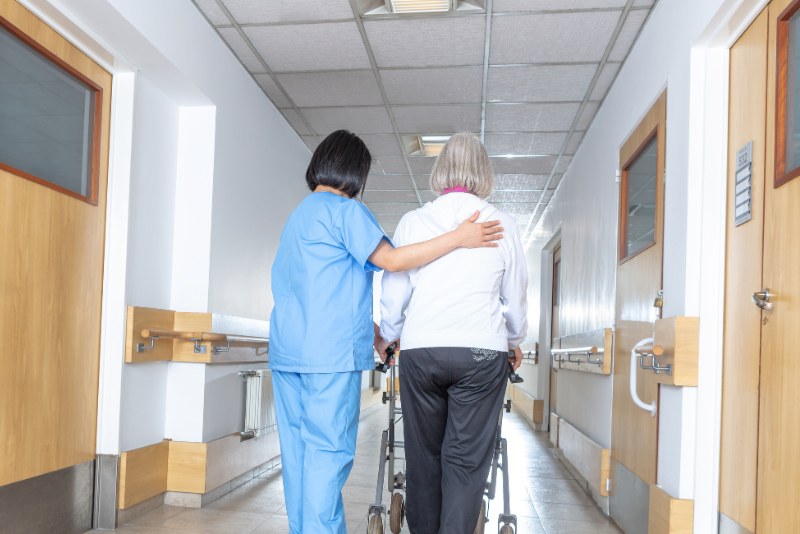
Reengineering Fall Prevention: A New Path to Safer Care
Applying safety science and human factors engineering to reduce fall-related harm across the continuum.
Falls remain one of the most common—and preventable—causes of harm to patients and residents. As new CMS measures take effect, preventing falls with injury is no longer just a safety priority, it’s a financial and reputational imperative.
Despite decades of policies, training, and technology, fall-related injuries continue to rise across the healthcare continuum. The reason is not lack of effort—it’s system design. ECRI’s SafeSystemSM Solutions help healthcare organizations move beyond compliance and redesign the systems of care that contribute to falls with injury.
Real Organizations. Real Impact
- 33% reduction in falls at community hospitals (up to 50% on some units)
- 100% elimination of maternal and infant falls at a women’s hospital
- 11% reduction in falls at Aging Services campuses and up to $2.7 million saved in falls-related claims and litigation
- Telemetry unit reduced falls from 2.37 to 0.31 through systems-based redesign
New CMS Accountability Is Here
For Acute Care / Hospitals
- 2026: CMS begins collecting data under the Hospital Harm—Falls with Injury eCQM
- 2027: Reporting may directly impact payment adjustments and star ratings
For Senior Care
- CMS Five-Star Quality Rating incorporates fall-related quality measures that directly influence occupancy, referrals, and reputation
- QAPI requires ongoing, systemic fall prevention efforts—making a systems-based approach both a compliance and quality imperative
Across all care settings, organizations must now demonstrate reliable, system-wide fall prevention.
How it Works
A Systems-Based Approach to Preventing Falls with Injury
Preventing falls with injury requires more than policies or technology. It requires utilizing human factors to redesign the system of care so safe decisions are supported every day—whether in an acute care hospital unit or senior care community. ECRI’s SafeSystem Solutions use an evidence-based, three-step approach to deliver sustainable improvement.
Understand
Identify why fall prevention breaks down
We assess how care is actually delivered—examining workflows, environments, tools, staffing, and data—to uncover the real system factors driving falls with injury.
Innovate
Redesign systems to support safe care
Using human centered design, human factors engineering, and safety science, we partner with teams to redesign fall prevention interventions that are reliable, intuitive, and embedded into daily work.
Evaluate
Sustain improvement over time
Through ongoing coaching, measurement, and leadership engagement, we help organizations monitor results, adapt interventions, and sustain progress as conditions change.
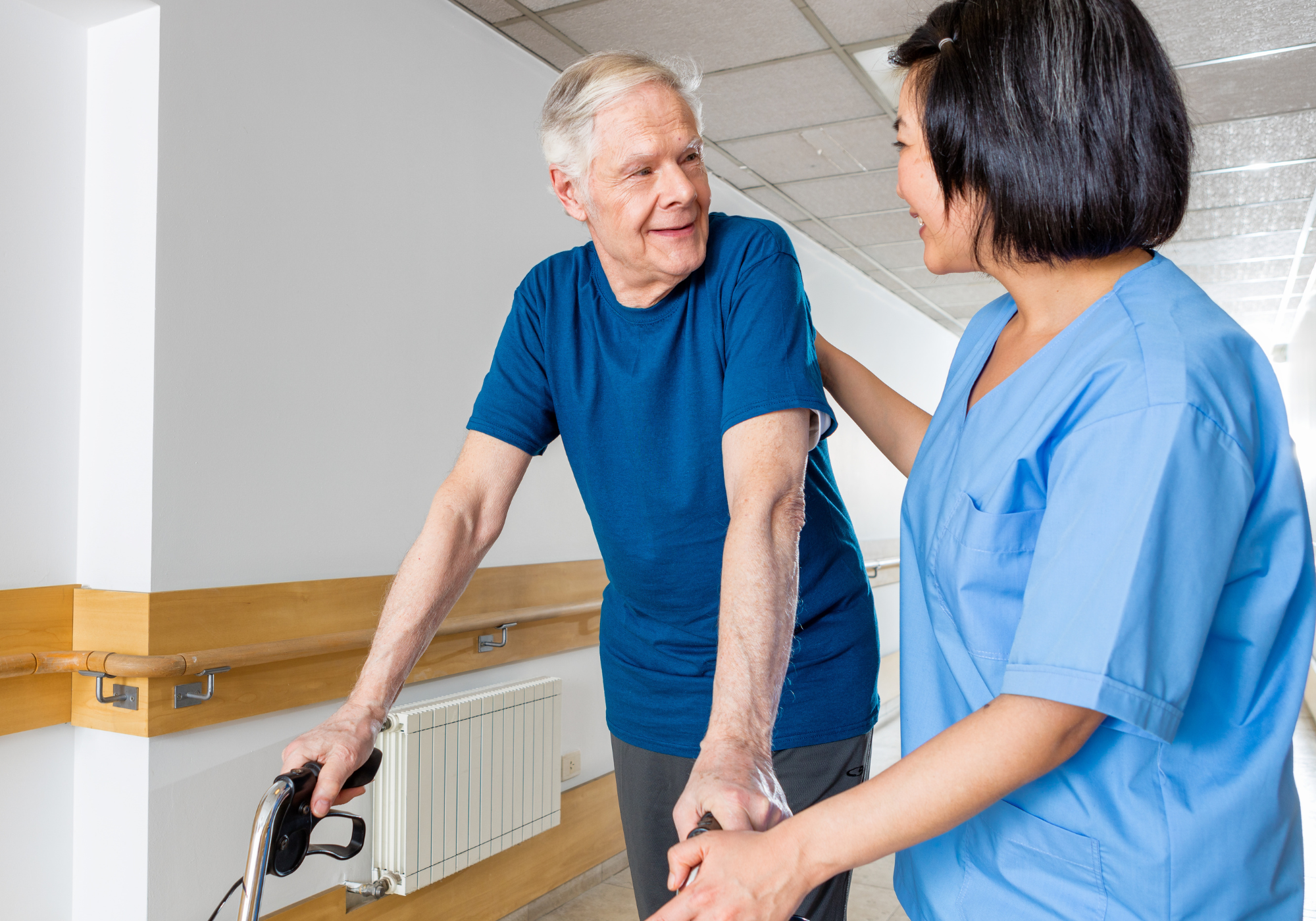
Why This Works
Grounded in decades of safety science and insights from 8M+ adverse events and 7,000+ root cause analyses, ECRI’s approach focuses on system design, not individual blame, helping acute and senior care organizations reduce falls with injury and prepare for CMS accountability.
Examples of Our Work
Systems-Based Success Stories
Empowering Healthcare Teams to Prevent Fall-Related Harm and Protect Patients
Falls remain one of the most common—and preventable—causes of patient harm. With new federal reporting requirements on the horizon...
Read More
ECRI Helps 11-member Short Stay Collaborative Reduce Falls by 15% and Readmission Rates by 28%
Short-stay care is an important part of what many aging-services providers have to offer. However, short-stay care is a different paradigm from...
Read More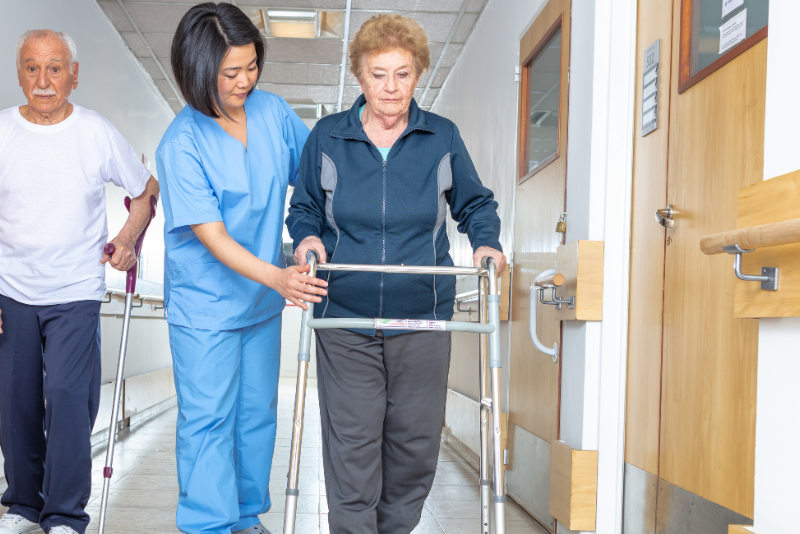
ECRI Reduces Falls by 11% across 10+ Aging Services Campuses through Collaborative
Falls are currently the leading cause of death and injury among the older adult population - approximately 36 million falls are reported each year...
Read MoreFalls Resources
Preventing Falls with Injury: A Systems-Based Approach
In this webinar, ECRI experts explore how a systems-based approach can help healthcare organizations move beyond compliance to achieve measurable, sustainable reductions in falls with injury.
WATCH ON-DEMANDPatient Safety Event Data Snapshot on Patient Falls
Recent data analysis from the ECRI and the Institute for Safe Medication Practices Patient Safety Organization (PSO) shows that patient transfers, toileting and ambulation-related falls are the most common event types.
READ THE ARTICLELet's talk
Learn how organizations across care settings are reducing falls by applying safety science, human-centered design, and system accountability—before CMS accountability measures take effect.