

Guidance, Insights & Tools
Use the filters below to narrow your search

Top 10 Health Tech Hazards for 2023: A Tool to Reduce Preventable Harm
This is part one of a two-part blog. Reducing preventable harm is at the core of ECRI’s mission, and has been for more than 50 years. Since the publication of the first issue of the Health Devices...
Read more
Top 10 Health Technology Hazards for 2023 Executive Brief
Learn how to identify and address health technology hazards in your facilities ECRI’s Top 10 Health Technology Hazards for 2023 list identifies the potential sources of danger we believe warran...
Read moreLatent and Active Failures Perfectly Align to Allow a Preventable Adverse Event to Reach a Patient
Problem: A physician prescribed 2 g of intravenous (IV) magnesium sulfate for a patient in palliative care to treat hypomagnesemia. To administer the dose, a night nurse went to an automated dispen...
Read moreIsoflurane Labeled “For Animal Use Only” in Cartons of Isoflurane Intended for Human Use
ISMP has received reports from several healthcare institutions that recently received cardboard cases labeled “Isoflurane USP 100 mL” by Piramal Critical Care (NDC 66794-017-10) (Figure 1) that act...
Read more
Strategies to Help Improve Flu Vaccine Access for People of Color
Influenza (flu) is a contagious respiratory illness caused by various viruses. It can cause mild to severe illness, and at times can even lead to death. Flu season started earlier than usual this s...
Read more
Don't Skip the Flu Shot This Year: 3 Reasons to Get One—Even If You Usually Don't
As always, influenza (flu) is in the news this time of year, along with recommendations that all eligible individuals get vaccinated against it. As many as 50% of eligible people typically skip a f...
Read more
3 Tips to Help Prepare Your Healthcare Facility for the Tridemic—RSV, Flu, and COVID
The tridemic is here—are you ready? By taking steps to understand the tridemic, and the effects it’s having on healthcare, your organization can better prepare for and manage the likely increase in...
Read more
Improving Physician Engagement During the New Product Selection Process
You’ve heard and followed the familiar adage, “consider the source.” And for good reason, since the adage reminds one to verify the trustworthiness of a source before heeding its content. Perhaps n...
Read more
5 Things Clinicians Should Know About the Complex World of Genetic Testing
Selecting the appropriate genetic test can be daunting, and busy clinicians can be hard pressed to stay up to date regarding the rapidly-evolving landscape of genomic medicine. They need to know wh...
Read more
8 Steps to Address Racial Bias in Healthcare
ECRI this year named Bias and Racism in Addressing Patient Safety as number three on its annual list of Top 10 Patient Safety Concerns. Racial and ethnic disparities have been well documented, and ...
Read more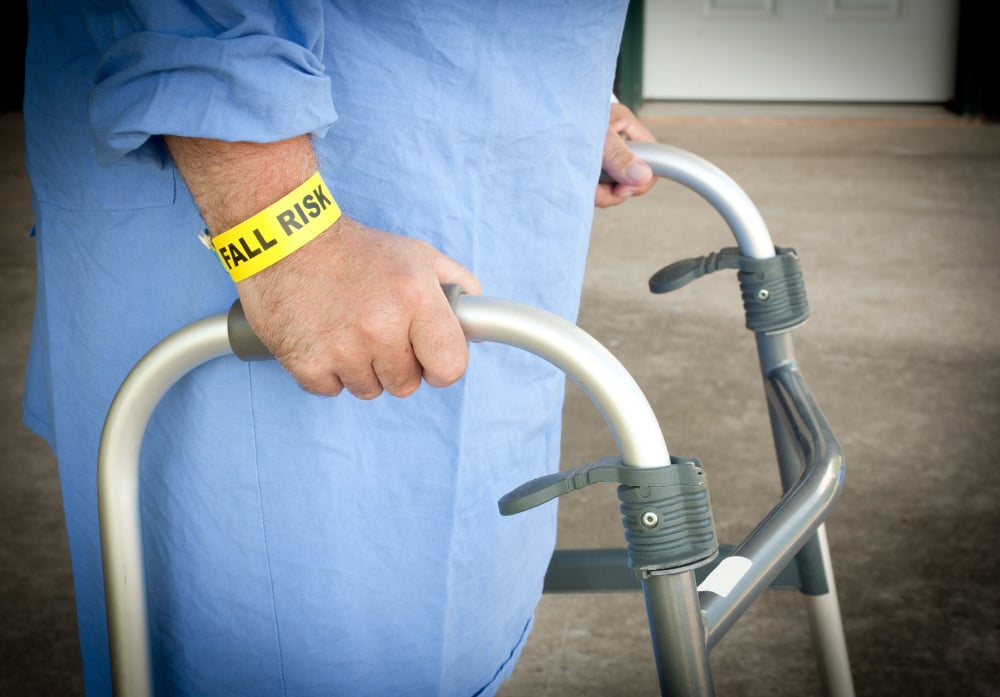
The Most Common Hospital Accidents and How To Avoid Them
When working in healthcare, it is important to understand what types of accidents might your patients encounter. How can you work to dramatically reduce accidents and foster a greater culture of sa...
Read more
Four Ways to Prevent and Control Hospital-Acquired Infections
When a patient comes to your facilities for healthcare, they expect that you can effectively address the issue quickly and with ease and expertise. Now, imagine that this same individual ends up re...
Read more
Accidents Happen, but They Shouldn't Define the Care You Provide
When working in aging services facilities, ambulatory care, or hospitals, accidents can happen during patient treatments, in the patient environment, or in other scenarios. However, accidents need ...
Read more
Medical Incident Reports Improve Healthcare. How and When to File Them
Medical incident reports are essential to improving patient safety and correcting medical errors that could cause harm to future patients. Today's healthcare establishments, such as hospitals, agin...
Read moreWhite Paper | Operationalizing High Reliability in Aging Services through Systems Safety
Download your complimentary copy now to learn how to build the HRO framework in aging services organizations. Healthcare leaders know that building a high reliability organization protects patient ...
Read more
Incident Management Systems Are Essential For Any Healthcare Facility
Regardless of the type of healthcare facility you manage—a hospital, an assisted living center, or an ambulatory care establishment—incident management for patient safety should be a primary focus ...
Read more
Medication Safety and Error Prevention: Efforts Should Focus on Systems Solutions
Many people take medicine without enough thought to medication safety issues, such as following dosage directions, being aware of medication interactions and side-effects, or weighing other importa...
Read more
How to Improve Your Organization's Approach to Healthcare Incident Management
Accidents, outbreaks, and other incidents regularly occur in healthcare settings. This is not surprising to most healthcare providers, including those working in aging services and ambulatory care ...
Read more
How to Prevent the Spread of Infection in Healthcare Settings
Hospital-acquired infections (HAIs) are longstanding problems in hospitals and healthcare. These infections can be caused by a variety of pathogens, including bacteria, viruses, and fungi, and can ...
Read more
Managing Monkeypox: Take 3 Steps Now to Protect Patients and Staff
After three long years of managing COVID-19, the world is facing another public health crisis: monkeypox. According to the World Health Organization, “Monkeypox is a viral zoonotic disease that occ...
Read more
Guidelines for Safe Medication Use in Perioperative and Procedural Settings
Developed to support hospitals, ambulatory surgery centers, and other procedural locations in addressing identified national gaps in perioperative and procedural medication safety.
Read more