

Guidance, Insights & Tools
Use the filters below to narrow your search

Introducing SALUTE: Ensuring Equitable Healthcare for Veterans
Designing a healthcare delivery system that ensures equitable care for all patients is crucial for achieving total systems safety. This includes building partnerships among patients, families, and ...
Read more
Call to Action: Standardization and Smarter Logic Needed to Prevent Drug Name Selection Errors
Problem: Since 2019, ISMP has recommended entering, at a minimum, the first five letter characters of a drug name (unless the name has fewer than five letters) during searches in automated dispensi...
Read moreHow to Navigate the New ISMP Website
ISMP has a new website (www.ismp.org) that has been integrated with the website of our affiliate organization, ECRI, to help simplify sign-ins and streamline access to our many services and product...
Read moreDiagnostic Excellence in Dementia Care White Paper
Learn more about barriers to timely and accurate dementia diagnosis, and how a systems safety strategy can improve diagnostic excellence. ECRI's white paper: Diagnostic Excellence in Dementia Care ...
Read moreKentucky law prevents practitioners from being criminally charged for medical errors
We were pleased to learn that Kentucky Governor Andy Beshear recently signed a bill (House Bill 159) into law that protects healthcare practitioners from being criminally charged for medical errors...
Read moreISMP Urges Increased Action at the Practice Level to Halt the Growing Danger of Counterfeit Drugs
Problem: Counterfeit drugs, or fake drugs, made to resemble genuine pharmaceutical manufacturers’ medications (Figure 1), have been a longstanding threat to the health and safety of patients. Alarm...
Read more
List of Error-Prone Abbreviations
This list includes abbreviations, symbols, and dose designations that have been frequently misinterpreted and involved in harmful or potentially harmful medication errors.
Read more
What Hospitals Need to Know: Using Water During Processing of Medical Devices
Every day, hospitals’ central sterile processing teams rely on water as they clean and sterilize a variety of medical devices. In this blog, ECRI outlines general considerations to support safe and...
Read more
Using Evidence to Facilitate Physician-Patient Conversations about GLP-1 RAs
Glucagon-like peptide receptor agonists (GLP-1 RAs) now available to promote weight loss—Wegovy (semaglutide), Zepbound (tirzepatide), and Saxenda (liraglutide)—could potentially make much needed g...
Read moreImplement Strategies to Prevent Persistent Medication Errors and Hazards: 2024
Reflecting on events that occurred in 2023, we have identified the top three medication errors and hazards that were recurring themes in the ISMP Medication Safety Alert!, which our affiliate ECRI,...
Read more
ECRI’s Top 10 Patient Safety Concerns for 2024
ECRI recently published our Top 10 Patient Safety Concerns for 2024 Special Report—the annual guide that calls attention to pressing patient safety concerns facing the healthcare industry. For thi...
Read more
IWD 2024: How to Continue Progress in Cervical Cancer Screening
International Women’s Day is an opportune time to celebrate improvements in women’s health outcomes—and reflect on steps we can take to achieve even more progress. For this blog, we’re focusing on ...
Read more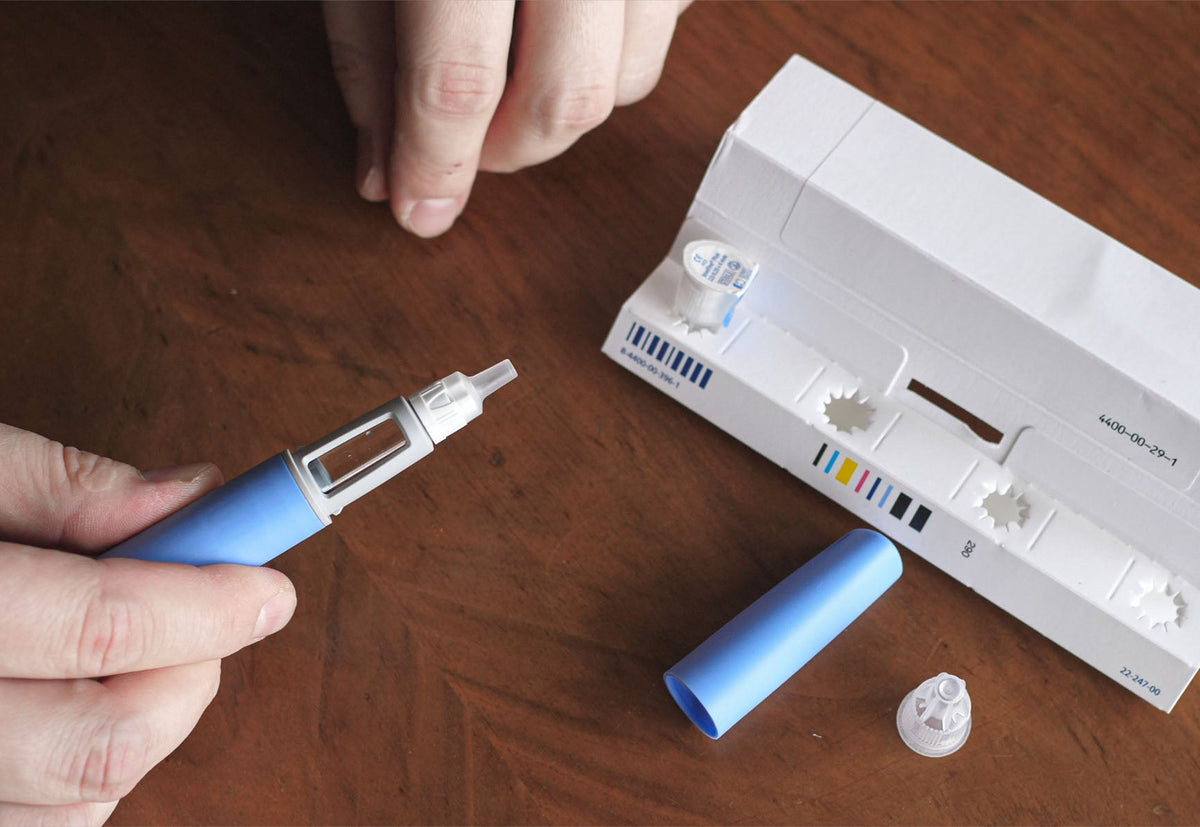
Monitoring Patients Who Take GLP-1 RAs for Weight Loss – What Prescribers Should Know
Roughly one year after their introduction, Wegovy (semaglutide) and Zepbound (tirzepatide) continue to shake up the obesity treatment landscape in the United States. Uptake for these two glucagon-l...
Read moreTop 10 Patient Safety Concerns 2024
Learn how to identify and address patient safety concerns in your facilities ECRI's Top 10 Patient Safety Concerns 2024 identifies imminent safety challenges for patients and staff that we beli...
Read more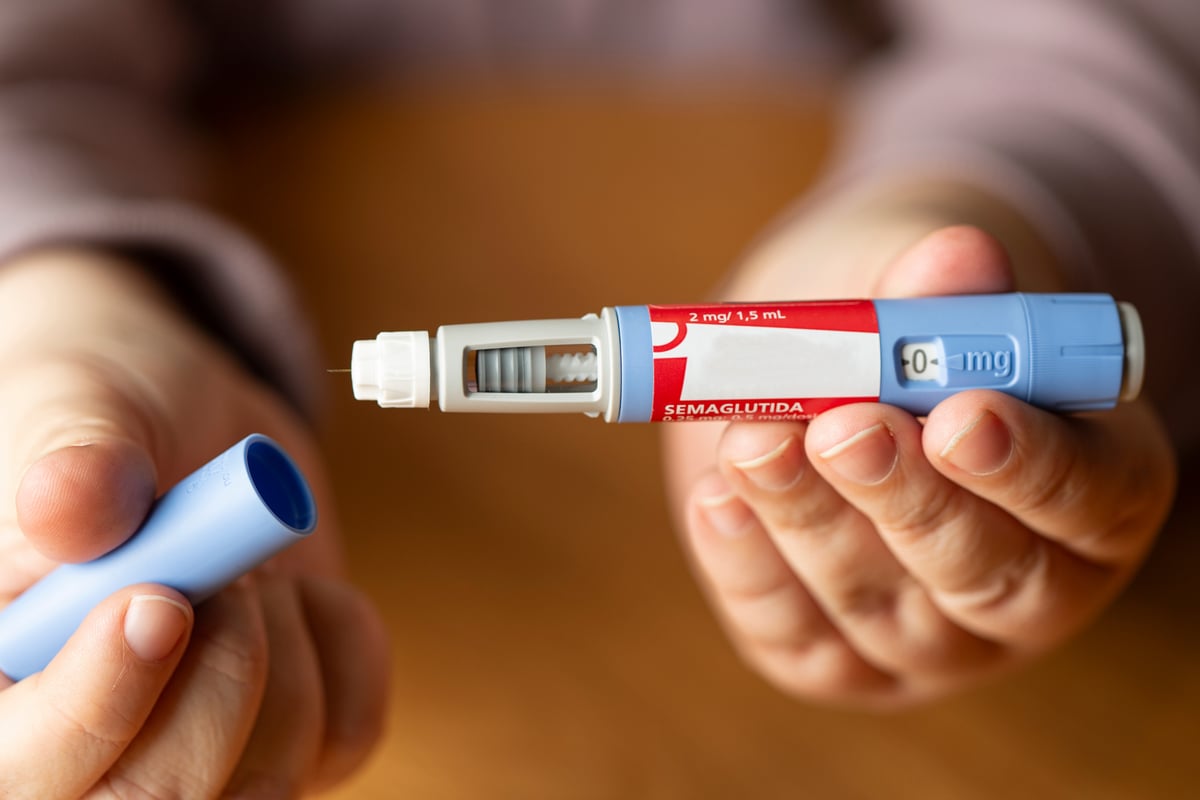
Weighing the Evidence on New Weight Loss Drugs – Five Takeaways
The prevalence of overweight and obesity keeps worsening in America despite our enormous collective effort to lose weight. The U.S. Centers for Disease Control and Prevention estimates that overwei...
Read moreThree New Best Practices in the 2024-2025 Targeted Medication Safety Best Practices for Hospitals
ISMP has released its 2024-2025 Targeted Medication Safety Best Practices for Hospitals, whose purpose is to identify, inspire, and mobilize widespread, national adoption of consensus-based Best Pr...
Read more
15 Years as a PSO. Decades Improving Safety.
This year, ECRI and the Institute for Safe Medication Practices PSO celebrates our 15th anniversary as an AHRQ-listed Patient Safety Organization. Over this decade and a half, we have worked tirele...
Read more
The Insidious Dangers of Disposable Isolation Gowns—and How to Address Them
Isolation gowns are a longstanding infection control tool across hospital settings. These garments are intended to safeguard patients and clinicians by preventing the spread of disease-causing micr...
Read moreTop 10 Health Technology Hazards for 2024 Executive Brief
Learn how to identify and address health technology hazards in your facilities ECRI's Top 10 Health Technology Hazards for 2024 list identifies the potential sources of danger we believe warrant th...
Read more
Exploring Oral Hygiene’s Role in Reducing Ventilator-Associated Pneumonia
Ventilator-associated pneumonia (VAP) is a lung infection that develops 48 hours or more after initiating invasive mechanical ventilation. Mechanical ventilation assists breathing in patients who h...
Read more
High-Alert Medications in Acute Care Settings
Medications requiring special safeguards to reduce the risk of errors and minimize harm.
Read more